
Infertility is a common medical condition that affects millions of couples worldwide. It is generally defined as the inability to conceive after one year of regular, unprotected intercourse, or after six months for women over the age of 35. Infertility can affect both men and women, and in many cases, it is caused by a combination of factors rather than a single issue.
Female infertility may result from ovulation disorders, blocked fallopian tubes, hormonal imbalances, endometriosis, or age-related decline in egg quality. Male infertility is often linked to low sperm count, poor sperm movement, or structural abnormalities. Fortunately, advances in reproductive medicine have made it possible for many couples to achieve pregnancy through appropriate diagnosis and treatment.
Common Causes of Infertility
Understanding the underlying cause is the first step toward successful treatment. Some of the most common causes include:
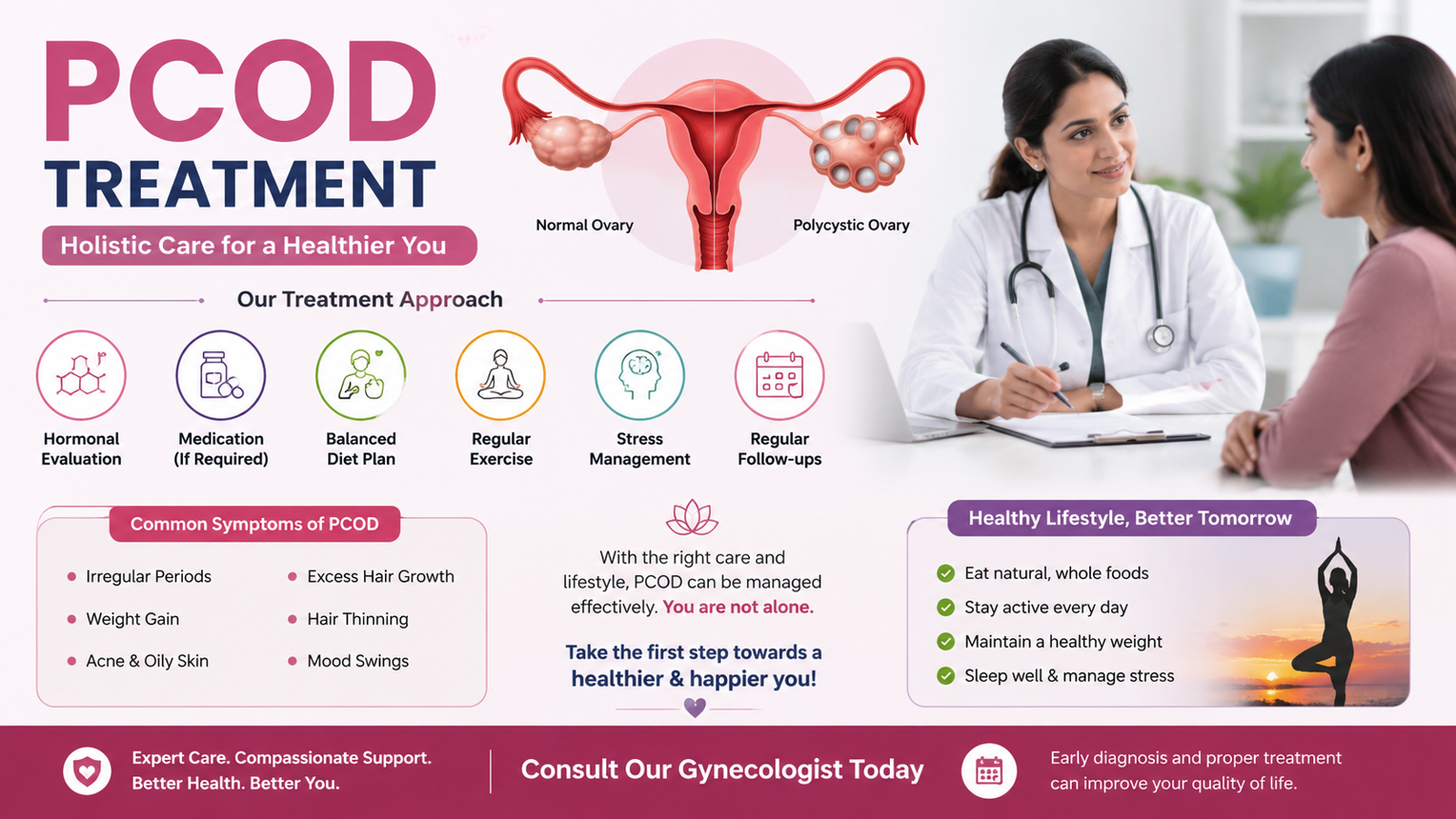
Ovulation disorders such as PCOS
Blocked or damaged fallopian tubes
Endometriosis
Uterine abnormalities
Low sperm count or poor sperm quality
Hormonal imbalances
Genetic conditions
Lifestyle factors including smoking, obesity, excessive alcohol consumption, and stress
Advanced maternal age
Sometimes, despite thorough evaluation, no specific cause is identified. This condition is known as unexplained infertility.
How Infertility Is Diagnosed
A detailed evaluation helps fertility specialists recommend the most suitable treatment plan. Diagnosis usually involves reviewing medical history, physical examination, blood tests for hormone levels, ultrasound scans, semen analysis, and imaging studies to evaluate the uterus and fallopian tubes.
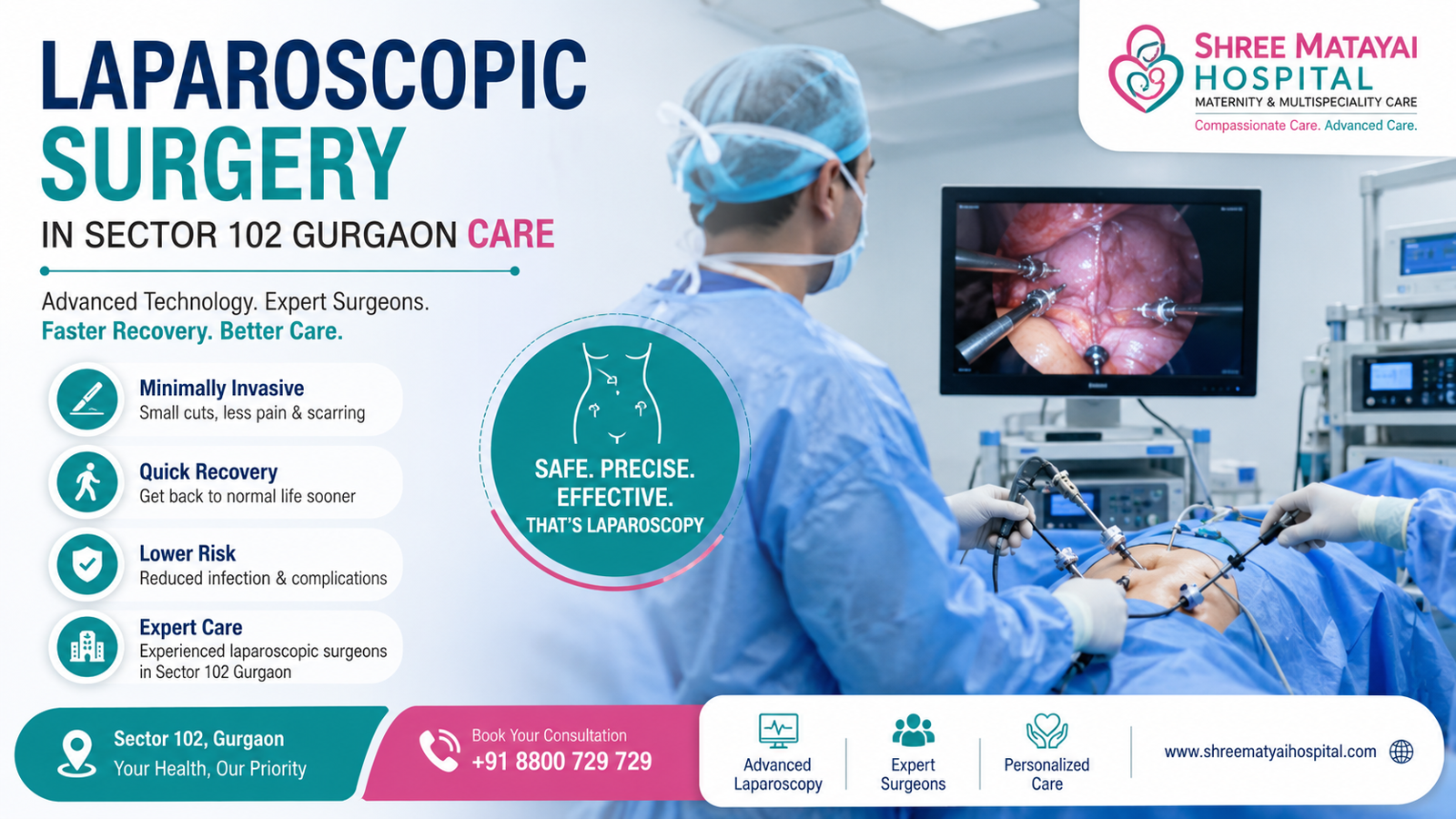
Depending on the findings, additional procedures such as hysteroscopy or laparoscopy may be recommended to identify structural problems affecting fertility.
Available Infertility Treatment Options
Treatment depends on the underlying cause, age, duration of infertility, and overall health of both partners.
Lifestyle modifications often serve as the first step. Maintaining a healthy weight, eating a balanced diet, exercising regularly, avoiding tobacco, and managing stress can improve fertility in many individuals.
Medications are commonly prescribed to stimulate ovulation in women with irregular or absent ovulation. Hormonal therapies may also help regulate reproductive hormones and improve the chances of conception.
Surgical treatment may be necessary for certain conditions. Women with fibroids, uterine polyps, blocked fallopian tubes, or ovarian cysts may benefit from procedures that restore normal reproductive function. In some situations, ovarian cyst removal surgery can improve fertility by addressing cysts that interfere with ovulation or reproductive health.
What Is IVF?
In Vitro Fertilization (IVF) is one of the most effective assisted reproductive technologies available today. During IVF, eggs are collected from the ovaries and fertilized with sperm in a laboratory. The resulting embryo is then carefully transferred into the uterus, where it may implant and develop into a healthy pregnancy.
IVF is often recommended for couples experiencing blocked fallopian tubes, severe male infertility, unexplained infertility, advanced maternal age, or repeated failure of other fertility treatments.
The procedure typically involves ovarian stimulation, egg retrieval, laboratory fertilization, embryo culture, embryo transfer, and pregnancy testing. Modern IVF techniques continue to improve success rates while minimizing risks.
Other Assisted Reproductive Techniques
Besides IVF, several other treatments may help couples achieve pregnancy.
Intrauterine insemination (IUI) involves placing specially prepared sperm directly into the uterus around the time of ovulation. It is often recommended for mild male infertility, unexplained infertility, or cervical factor infertility.
Intracytoplasmic sperm injection (ICSI) is commonly used when male infertility is severe. In this procedure, a single healthy sperm is injected directly into an egg during the IVF process.
Fertility preservation through egg or sperm freezing allows individuals to protect their future fertility before medical treatments or age-related decline affects reproductive potential.
Donor eggs, donor sperm, donor embryos, and gestational surrogacy may also be suitable options for selected patients depending on their medical circumstances.
Success Factors and What to Expect
The success of infertility treatment varies from person to person. Factors influencing outcomes include the woman's age, egg quality, sperm health, underlying medical conditions, lifestyle habits, and the specific treatment chosen.
While IVF offers high success rates compared to many other fertility treatments, it may require more than one cycle to achieve pregnancy. Emotional support, realistic expectations, and open communication with healthcare providers are essential throughout the journey.
Couples should also understand that every fertility journey is unique, and treatment plans are individualized to maximize the chances of success.
Choosing the Right Fertility Care
Selecting an experienced fertility center plays an important role in achieving positive outcomes. Comprehensive evaluation, advanced laboratory facilities, personalized treatment plans, and compassionate care contribute significantly to patient satisfaction and treatment success.
Patients looking for infertility treatment in sector 102 gurgaon should seek specialists who provide evidence-based care, transparent counseling, and continuous support throughout every stage of treatment.
Shree Matayai Hospital offers experienced gynecologists and fertility specialists who focus on accurate diagnosis, personalized treatment planning, and compassionate patient care. The hospital combines advanced reproductive technologies with patient-centered care to help couples confidently navigate their fertility journey while ensuring comfort and emotional support.
For couples planning pregnancy after successful fertility treatment, choosing a trusted maternity hospital in sector 102 gurgaon ensures continuity of care from conception through delivery, helping both mother and baby receive comprehensive medical attention.
Conclusion
Infertility can be physically and emotionally challenging, but modern medical advancements provide hope for many couples. From lifestyle changes and medications to surgical procedures, IUI, IVF, and other assisted reproductive techniques, numerous effective treatment options are available today. Early diagnosis, timely intervention, and expert medical guidance significantly improve the chances of successful conception.
If you have been trying to conceive without success, do not delay seeking professional advice. A personalized evaluation can identify the underlying cause and help determine the most appropriate treatment plan. With experienced specialists, advanced technology, and compassionate support, many couples are able to fulfill their dream of becoming parents.




Write a comment ...